You’re probably reading this because a plumber, a builder or even the council has mentioned a ‘legal point of discharge’ and you’re not quite sure what they’re talking about.
Are you:
- Planning renovations?
- Building a deck?
- Looking at stormwater drainage around your home or business?
Honestly, there are plenty of other reasons why someone has told you that you need to know where water has to go.
What is a legal point of discharge?
Maybe you’ve seen the acronym, too: ‘LPOD’. What’s the LPOD meaning, then? You’re in the right place, because understanding all of this isn’t just about compliance – it’s about protecting your property, avoiding potential fines and preventing nasty neighbour disputes down the track.
Let’s get stuck in:
In Queensland, including Sunshine Coast and Brisbane areas, stormwater needs to be managed thoughtfully and legally so it doesn’t cause harm to other properties or local infrastructure. The legal point of discharge plays a big role in that.
Let’s walk through pretty much everything you could possibly need to know.
1. What is a legal point of discharge?
At its simplest, a legal point of discharge is the point on your property where stormwater runoff is lawfully allowed to be discharged into the local stormwater system.
Your legal point of discharge for stormwater systems rely on could be:
- A council-maintained underground drain
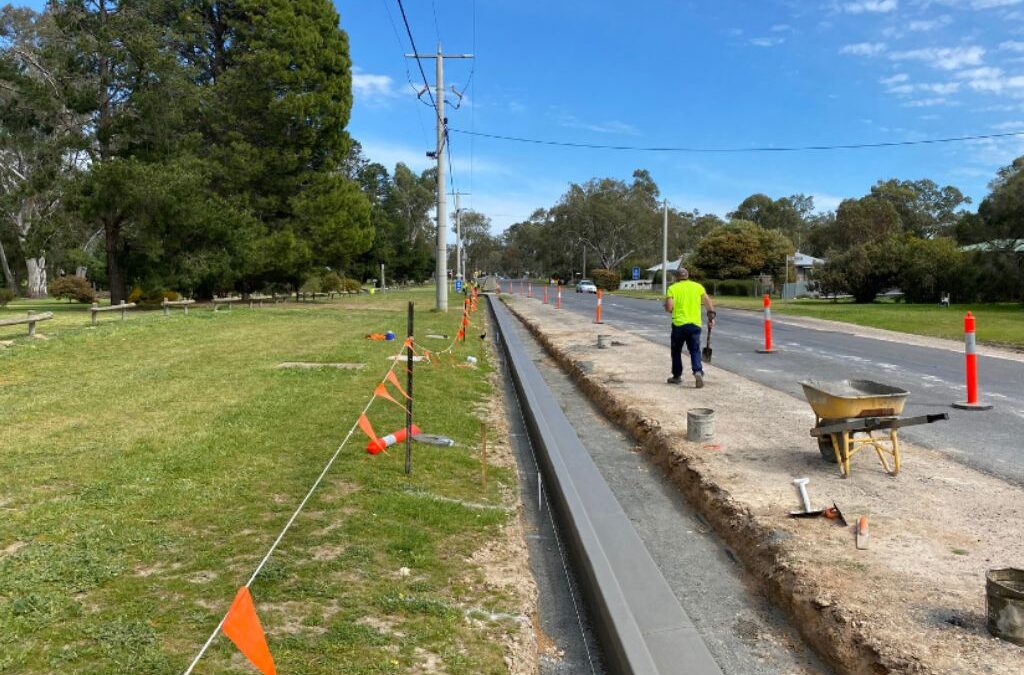
- The kerb and channel
- An inter-allotment drainage system that connects to a council drain.
The term lawful point of discharge comes up in local planning, building and drainage regulations because councils need to ensure stormwater is managed in a way that doesn’t cause flooding or damage to neighbouring land.
Think of it like this: the rainwater that hits your roof, driveway and other hard surfaces, and it needs somewhere to go. It can’t just run wherever it likes – there’s a designated outlet that’s been established by your local council or identified through planning documents.
That’s the legal point of discharge.
2. Why it matters for your property
You might still be wondering why lawful points of discharge are so important. Here’s the key: Queensland councils require that stormwater from your property be directed to an approved discharge point to manage both safety and community infrastructure efficiently.
If stormwater is not correctly directed:
- It can pool around your house, causing damp or structural issues.
- It can flow onto neighbouring land, leading to disputes or legal trouble.
- It can overload or pollute council drainage infrastructure.
- You could be fined or required to fix the problem if you’re building or renovating.
For houses built after the mid-1970s in Queensland, connecting roof water and stormwater systems to a legal point of discharge such as a kerb and channel or council drainage system is typically required.
3. How to find your legal point of discharge
How to find legal point of discharge locations on your properties isn’t always as simple as just looking at the driveway and guessing.
The location depends on:
- Your block’s topography (how the land slopes)
- Where your stormwater infrastructure is installed
- The nearest council stormwater connection
- Local planning and building regulations.
Not sure how to find it? You can:
Check Council Plans: Many councils, like Brisbane City Council or Sunshine Coast Council, maintain mapping or documentation that shows where stormwater drains and legal discharge points are located. Contact the council’s infrastructure or planning department and ask for LPOD information for your address.
Speak To A Building Certifier: A certified building certifier can help interpret local planning and drainage rules, including identifying the lawful point of discharge relevant to your property.
Ask A Licensed Plumber Or Drainage Specialist: Qualified plumbers or drainage professionals who regularly work with stormwater systems can assess your site, follow runs of pipework and point you toward where stormwater must be directed.
Title & Easement Searches: In some cases, stormwater easements registered on your title will indicate where a drainage line must flow. These are legal agreements that allow council or authorities to maintain drainage infrastructure.
4. Legal points of discharge and Queensland regulations
In Queensland, stormwater discharge rules aren’t found in a single law – instead, they’re managed through a combination of:
Local Council planning and drainage requirements:
The Queensland Urban Drainage Manual (QUDM), which guides engineers and councils on best practice for how stormwater should be managed – including the lawful point of discharge ‘test’ that councils refer to for development assessments
Building regulations covering how stormwater systems must be connected in new builds or redevelopments:
What’s important to understand is that Queensland doesn’t have a single statute that spells out exactly how stormwater must be discharged, but individual councils use the lawful point of discharge concept through their planning schemes and building assessments to ensure stormwater is managed properly.
5. What is a stormwater connection point?
You also might hear the phrase ‘stormwater connection point’ used alongside LPOD. This refers to the physical location where your private stormwater pipes connect with the public or council stormwater network.
It might be:
- A council drain under the street
- An inter-allotment drainage pipe
- A kerb adaptor that connects to underground infrastructure.
Up to that connection, stormwater infrastructure – including pipes and pits – is usually your responsibility to install and maintain. After that point, the responsibility typically shifts to council.
6. What happens if you don’t comply?
Directing stormwater to a point outside of your lawful discharge point, or altering it in a way that increases flow onto neighbouring land without consent, can lead to:
- Council enforcement action
- Requirement to remediate your drainage setup
- Fines under planning or environmental laws
- Neighbour disputes or civil nuisance claims.
If you think it’s all about bureaucracy, it’s not just that – it’s really just practical. Water always flows downhill, and poorly managed runoff really can damage people’s gardens, property foundations, and council infrastructure.
If you’re unsure whether your current setup meets all the legal requirements, it’s worth checking with council or a qualified plumber before you start any work like building or landscaping.
7. Tips for managing stormwater the right way
Wondering if there are any practical things residents and property owners like yourself can (and should) do?:
- Keep gutters, downpipes and stormwater pipes clear and well-maintained, especially before heavy rain.
- Make sure your stormwater is directed towards the street or council drain where possible – or to an engineered inter-allotment system.
- Avoid redirecting runoff onto neighbours’ property – this can create civil liability issues.
- When planning renovations or extensions, consult a certifier or plumber about your lawful point of discharge first.
- If your block slopes away from the street, you might need specialised drainage design to meet legal discharge requirements.
Need help understanding your legal point of discharge?
Stormwater and drainage issues like can feel technical and confusing, can’t they? That’s especially the case when complex council rules are in play. From roof water connections and driveway runoff to complex site works, knowing your legal point of discharge QLD wide – whether on the Sunshine Coast or in Brisbane or beyond – makes your life easier and keeps you compliant.
If you’re planning work on your property, unsure where your lawful discharge point is, or think your current setup isn’t doing the right thing by stormwater runoff, you can always get in touch with the team at Static Plumbing. Our friendly, licensed plumbers can assess your drainage layout and help you plan compliant, effective stormwater connections with confidence.
Contact us today to talk about your drainage and stormwater questions – we’re here to help.