There’s a reason more and more Australians are searching for a natural drain cleaner lately. Between rising grocery bills, tradie shortages, and the general cost-of-living squeeze, people are understandably looking for ways to fix small household issues themselves before reaching for harsh chemicals or their wallet.
And when it comes to slow sinks or mildly blocked drains, it’s tempting to try something simple, safe … and already sitting in the pantry.
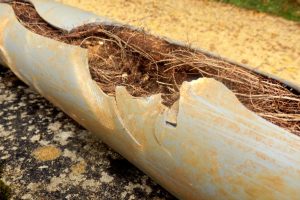
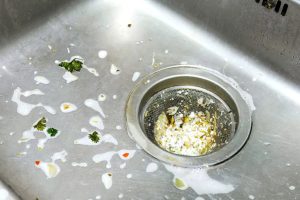
The good news? Some homemade options genuinely work – at least for minor build-ups. The key is knowing what’s realistic and what’s not. A full-blown tree root invasion isn’t going to dissolve because you poured vinegar down the pipe. But a bit of soap scum, grease, or hair? That’s a different story.
Before we get to the one we think you really need, let’s look at two solid runner-ups:
1. Salt & hot water flush (The simple maintenance fix)
This one is more preventative than powerful, but it’s surprisingly effective if your sink is just starting to slow down.
What you’ll need:
- Half a cup of table salt
- A full kettle of boiling water
How to do it:
Pour the salt directly down the drain.
- Slowly follow it with the boiling water.
- Leave it for 10-15 minutes before running hot tap water to flush it through.
The salt helps to scour the inside of the pipe slightly, while it’s the boiling water that softens and shifts the grease build-up. It’s not a miracle cure, but it’s a handy drain cleaner natural method for kitchen sinks where fats and oils are the main culprit.
2. Baking soda & lemon (The freshen-up option)
If you’re dealing with foul odour rather than a full-on blockage, this is a gentle option worth trying.
Many people searching for a natural drain cleaner baking soda solution are really just trying to freshen things up without pouring chemicals into their plumbing.
What you’ll need:
- Half a cup of baking soda
- Half a cup fresh lemon juice (or bottled if that’s what you’ve got)
- Hot water.
How to do it:
- Pour baking soda down the drain.
- Add lemon juice slowly – it will fizz!
- Let it sit for 20-30 minutes.
- Flush with hot water.
The fizzing reaction helps to loosen any light debris, and the lemon cuts the odours naturally. It’s not going to clear a serious blocked drain, but it’s actually pretty great for maintenance and keeping things smelling fresh.
3. The only homemade drain cleaner you need to know!
If you’ve only got time to try just one method, this one’s it.
When people ask what is the best natural drain cleaner, this classic baking soda and vinegar combination is usually what they mean – and for mild blockages, it genuinely can work a lot more often than you’d imagine.
Some even refer to it as a natural drain cleaner hair dissolver, and while it won’t exactly ‘dissolve’ thick hair clumps like commercial caustic products claim to, it really can help break down the soap residue that binds the hair together.
The proper way to do it (Step-by-step)
You’ll need:
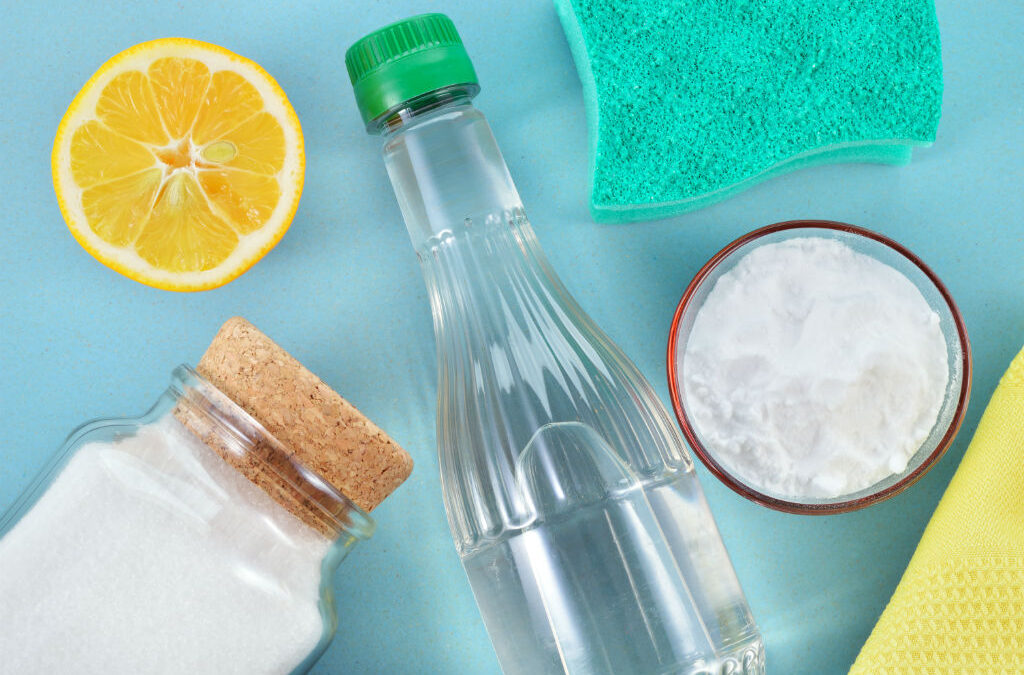
- 1 cup baking soda
- 1 cup white vinegar
- A kettle of boiling water
- A drain plug or cloth.
How to make natural drain cleaner and use it correctly:
- Pour the full cup of baking soda down the drain.
- Follow immediately with the white vinegar.
- Quickly cover the drain with a plug or cloth to keep the fizzing reaction working downward instead of bubbling back up.
- Leave it alone for at least 30-60 minutes (longer is fine).
- Finish by flushing thoroughly with boiling water.
The chemical reaction between the baking soda (alkaline) and the vinegar (acidic) creates powerful carbon dioxide bubbles. Those bubbles help dislodge the light grime and soap build-up that’s clinging to your pipe walls.
If you’re searching online for a reliable natural drain cleaner recipe, this is the one most plumbers agree is safe to try before turning to a pro.
A quick reality check
What is a natural drain cleaner actually capable of doing? That’s important to quickly run through – to keep your expectations fully in check.
These methods work best for:
- Early slow drainage
- Soap scum build-up
- Light grease residue
- Mild hair accumulation.
Importantly, they will not fix:
- Tree roots
- Collapsed pipes
- Heavy fat blockages
- Sewer line obstructions.
If you’ve tried one of these and the water still won’t move – or worse, it’s already backing up – that’s when it stops being a DIY situation at all.
When to call a plumber
If your sinks are gurgling, multiple fixtures are draining slowly, or water is pooling outside near your sewer line, you’re likely dealing with something just a tad more serious than your humble pantry ingredients can handle.
Professional plumbers use:
That’s the difference between just loosening debris and properly clearing the root cause.
Need help with stubborn blockages?
There’s absolutely nothing wrong with trying a safe, homemade solution first – especially in today’s economic climate. These methods are affordable, environmentally friendly, and far gentler on your plumbing than harsh chemical cleaners.
Just remember: if the problem persists, it’s not because you did it wrong. It’s because the issue is deeper than surface build-up.
So if you’ve tried a natural approach and the drain is still playing up, the team at Static Plumbing can help. Our licensed plumbers service Brisbane and the Sunshine Coast with advanced drain clearing, CCTV inspections, and long-term solutions – not just temporary fixes.
Contact us a call before that slow drain turns into a full plumbing emergency.