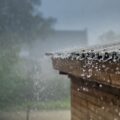
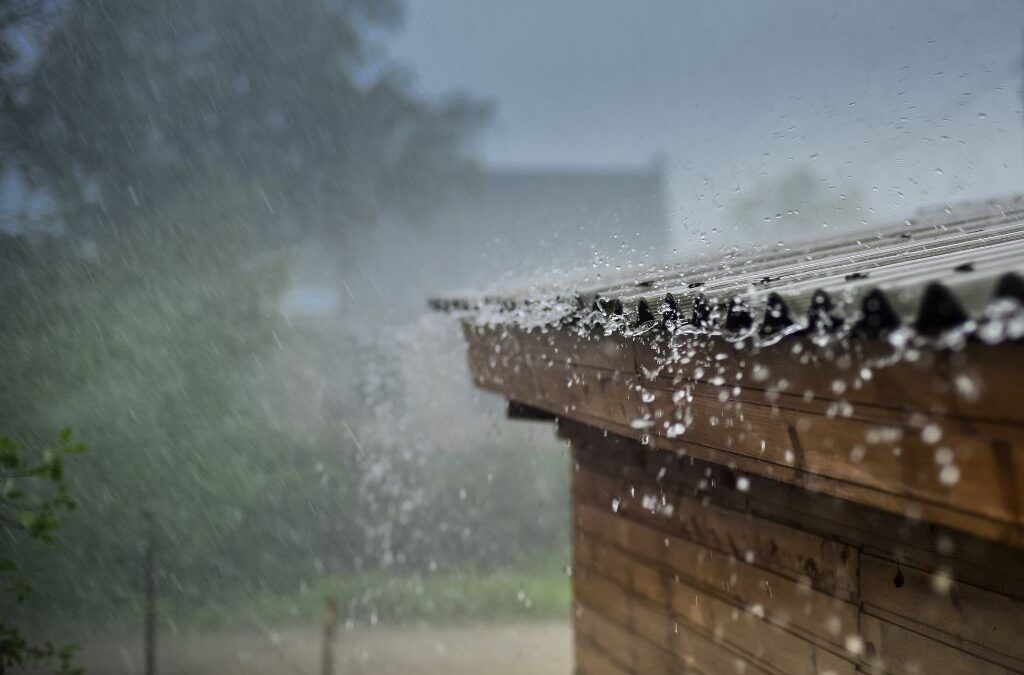
At this point, we’ve all lived through more than just one Queensland storm, right? That means we all know just how quickly things can go seriously sideways. One minute it’s the usual heavy rain, the next:
- Your gutters are overflowing
- The yard’s turning into a swamp
- And suddenly, the plumbing can’t keep up.
What a lot of homeowners don’t realise is that this kind of damage isn’t random. In South East Queensland, storms and even cyclone-level systems can push homes well beyond what they’re designed to handle – something highlighted in Geoscience Australia’s Severe Wind Hazard Assessment for South East Queensland, which shows just how much pressure major storm events can place on residential infrastructure.
The good news? Most plumbing failures during storm season come down to a handful of common risks. And once you understand them, you can actually do something about them.
9 Plumbing storm risks every Queensland home faces
1. Your drainage simply can’t keep up
During a heavy storm, it’s not just about rain falling – it’s about where that water goes. When your yard, driveway, and roof all start shedding water at once, your drainage system can get overwhelmed extremely quickly.
That’s when you see pooling and backed-up water – or even flooding near the house and foundations.
TIP: Good stormproof plumbing starts outside. Making sure water is directed away from your home – through:
- Proper grading
- Surface drains
- Even simple landscaping.
Get those right, and you take a huge amount of pressure off your pipes before problems ever start.
2. Backflow pushes water the wrong way
This is one of the biggest (and most unpleasant) storm risks. When stormwater systems or sewers become overloaded, water doesn’t just stop flowing – it can reverse direction.
That means water (and sometimes waste) can come back up through your drains, your toilets, or your outdoor grates.
TIP: A simple solution here is a non-return valve. It’s designed to stop water from flowing back into your home, and it’s one of the most effective upgrades you can make if your property is in a storm-prone area.
3. Gutters & downpipes are your first line of defence
It sounds basic, but this is where a lot of problems begin. If your gutters are blocked or undersized, they overflow quickly – and all that water has to go somewhere.
Usually, it ends up running down walls or pooling around foundations, or flooding areas that shouldn’t ever be wet.
TIP: Keeping gutters clear and making sure your downpipes are working properly is one of the simplest ways to protect your entire plumbing system during a storm.
4. Saturated ground stops water from draining
In prolonged rain, the soil around your home becomes saturated. Once that happens, it can’t absorb any more water – so everything starts sitting on the surface.
That leads to pooling and slow drainage, and added pressure on underground pipes.
TIP: This is why good yard drainage matters so much. Features like trench drains, swales, or even subtle changes in ground levels can help move water away instead of letting it sit and cause problems.
5. Older plumbing systems are more vulnerable
Many Queensland homes – especially older ones – simply weren’t built for the kind of storm intensity we’re seeing these days.
Research into storm impacts in South East Queensland has shown that older homes are often more heavily affected during severe weather events, particularly when it comes to water damage and infrastructure stress.
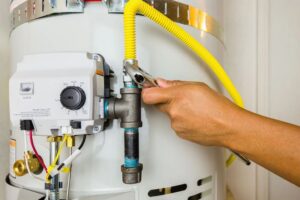
TIP: If your home is a bit older, it’s worth having your plumbing system checked. Even small upgrades or repairs can make a big difference when the next storm hits.
6. Low-set systems are exposed to floodwater
Anything installed low to the ground is at risk during a storm. That includes:
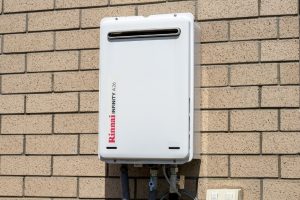
- Your hot water systems
- Your outdoor plumbing
- Your pumps and other essential services.
When floodwater reaches these systems, it can cause immediate damage – or leave behind issues that show up later.
TIP: One of the simplest ways to reduce this risk is elevation. Raising key systems above expected flood levels can prevent a lot of costly damage and make recovery much easier if flooding does occur.
7. Tree roots take advantage of storm conditions
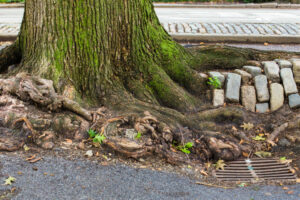
Tree roots are always looking for moisture, and storms create the perfect conditions for them to move.
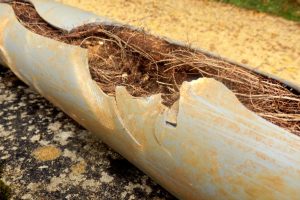
When the ground is soft and wet, roots can push further into small cracks in pipes – especially older ones. Over time, this leads to blockages or leaks, and pipes can even fail too.
TIP: If you’ve got large trees near your sewer or stormwater lines, regular inspections can catch issues early before they turn into major problems during storm season.
8. Stormwater systems get overwhelmed
Even if your own plumbing is in good shape, there’s a limit to what the broader system can handle. During major storms, council stormwater infrastructure can become overloaded.
When that happens, water backs up across entire streets and suburbs – and your home becomes part of that system whether you like it or not.
TIP: This is why it’s important to think beyond just your pipes. Managing water on your own property – through drainage and storage – helps reduce your reliance on already stretched systems.
9. Small issues turn into big problems – fast!
A minor blockage or slow drain might not seem like a big deal on a normal day. But during a storm, that small issue can quickly create an enormous problem.
What would have been a simple fix becomes a full overflow or a totally flooded yard. Worse still, the water could actually enter your home.
TIP: Staying on top of maintenance is one of the easiest ways to avoid this. Little things can save you a lot of stress later:
- Clearing drains
- Checking for early signs of blockage
- Fixing small problems here and there when the weather is good.
What stormproof plumbing actually means
A lot of people think stormproofing means keeping water out completely. In reality, that’s not always possible – especially in Queensland conditions!
Modern flood-resilient design in Queensland is less about stopping water, and more about managing it – something outlined in the Queensland Government’s Flood Resilient Building Guidance for Queensland Homes, which focuses on reducing damage and making homes quicker and easier to recover after flooding.
That means:
- Allowing water to move safely through and away from your property
- Reducing damage where possible
- Making recovery quicker if flooding does occur.
It’s a shift in thinking – from trying to fight the water, to working with it.
Simple ways to stormproof your plumbing
So you don’t need to overhaul your entire system to make a difference. A few smart upgrades and habits can go a long way:
- Installing backflow prevention to stop water reversing into your home
- Improving yard drainage so water moves away instead of pooling
- Keeping gutters and downpipes clear and functional
- Elevating vulnerable systems like hot water units where possible
- Booking regular plumbing inspections before storm season.
It’s these kinds of changes that quietly protect your home when the weather turns nasty.
Need help preparing your plumbing for storm season?
If you’re not sure how your plumbing would handle the next major Queensland storm, it’s worth getting it checked before it rolls through!
At Static Plumbing, we help homeowners across Brisbane and the Sunshine Coast identify the weakest points in their setup. We can then improve your drainage and make smart, practical upgrades that actually hold up in real conditions.
Whether it’s a quick inspection or a more tailored solution, our friendly team is here to help you stay one step ahead of storm season.