When a drain inside the home blocks, you usually notice it straight away – a slow sink, a backed-up shower, or a toilet that won’t flush properly. The solutions can be pretty simple too. But an outside drain is different – and knowing how to unblock drains outside is more complicated still.
Are you noticing:
- Pooling water?
- Slow stormwater pits?
- Surface flooding?
- An odour creeping up from the drain?
With outside drains, problems tend to build quietly over weeks or even months (or years!), and by the time you realise the outside drain is blocked, the issue is usually far more stubborn.
Indoor plumbing blockages tend to involve soap, fats, hair and everyday household waste. Outdoor blockages are a different beast entirely. For a stubbornly blocked drain outside house walls, we’re talking about things like:
- Mud
- Stormwater debris
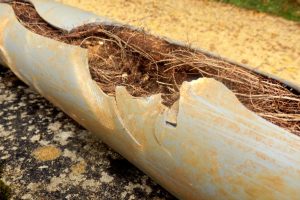
- Roots
- Silt
- Collapsed pipework
- Years of built-up sludge.
All of it can choke a drain line in a really serious way. That’s why unblocking drains outside often needs a different approach – and why the fixes that work indoors don’t always work outdoors.
Still, there are simple steps you can safely try before calling in a professional. These won’t replace proper drain clearing, but they might help restore some flow – or buy you time until a plumber arrives!
Drain blocked and want to have a go yourself? We’ve put together a practical, homeowner-friendly guide on how to unblock outside drains using safe, low-skill methods – and we’ll then take a look at how the professionals handle the tougher jobs.
Why outside drains block so easily
Outdoor drains take everything the weather throws at them – especially here on the Sunshine Coast & Brisbane:
- Soil washes in after storms.
- Leaves gather in pits and grates.
- Driveways shed sand and gravel.
And underground, tree roots are constantly searching for moisture – pushing into even the smallest gaps in your pipes. It doesn’t take long before a blocked drain outside the house becomes noticeable.
Outside drains also fall into two main categories – stormwater and sewer. Stormwater pipes carry rainwater and debris from gutters, yards and driveways, while sewer lines carry wastewater from toilets, basins and showers. And the process of unblocking a toilet drain pipe outside is very different from clearing a stormwater pit full of silt. Knowing which system is blocked helps you choose the right solution.
How to unblock an outside drain – 5 Steps you can try
We’ve made sure all of these methods are:
- Safe
- Legal
- Require minimal tools to unblock drains
- And – crucially – won’t damage the system.
Think of them as early troubleshooting steps. If the blockage is significant – or caused by roots or collapsed pipework – these methods may help temporarily, but a permanent solution will need a plumber’s drain cleaning tools and expertise.
1. Clear the surface debris around the drain opening
Leaves, mud and garden waste often stack up around the grate and act like a plug, stopping water from entering the system.
- Remove the grate if possible
- Scoop away anything that’s sitting on top of or directly inside the opening.
You may be surprised how often this simple step in your journey towards learning how to unblock outside drain problems improves flow – at least a little. It also helps you see whether water is sitting in the pipe or draining slowly.
2. Flush the drain with hot water or a garden hose
This is one of the easiest ways to loosen sludge or dirt inside the first section of the pipe. Hot water helps break down greasy residue, while steady pressure from a hose can push through lighter blockages.
- Start gently to avoid forcing the blockage deeper.
- If the drain backs up straight away, stop.
It’s important to stop if the drain backs up at that point, because it means the obstruction is further down the line and needs stronger tools.
3. Use a simple drain snake or long flexible rod
For blockages within reach, a basic snake can help. These are inexpensive and available at most hardware stores. They work best for debris, compacted leaves, or soft obstructions.
- Insert the snake carefully
- Rotate it to help break the blockage apart.
This won’t clear tree roots or structural problems, but for lighter issues, it can restore enough flow to keep things manageable.
4. Try a plunge-style method for small outdoor drains
Did you know learning how to unblock a drain pipe outside can be pretty similar to indoor drains – especially when it comes to plungers? Many people associate plungers with indoor plumbing, but they can help with shallow outdoor drains too. A plunger works by creating movement inside the pipe, which can dislodge compacted material near the opening.
- Use slow, steady pressure rather than hard thrusts.
- If the drain begins to bubble or gurgle, the blockage is shifting – and that’s a good sign.
This can be a particularly effective way to learn how to unblock a toilet drain pipe outside.
5. Pour a bucket of water from height to create force
This is a simple trick often used before calling a plumber.
- Fill a large bucket
- Pour it quickly from waist height.
That creates a short burst of pressure that can move soft blockages. It doesn’t replace proper tools, but it can break the surface tension of silt or loosen debris enough for the drain to start moving again. If the water rises back up instantly, the obstruction is more severe and deeper in the line.
When DIY stops working
Most homeowners can handle early troubleshooting – but outside drains usually block because something more serious is happening under the ground. If you’ve followed the steps above and you still have a blocked drain outside your house, it’s likely caused by one of these:
- Tree root invasion
- Collapsed or cracked pipework
- Heavy silt build-up
- Long-term debris accumulation
- Incorrect drainage fall
- Foreign objects lodged in the line
- Multiple blockages over several metres.
And no amount of plunging or bucket-flushing will clear these more serious issues. That’s when it’s time for professional tools and licensed expertise.
How professionals unblock outdoor drains (What DIY can’t do)
A plumber approaches outdoor drain problems very differently. Instead of guessing, they use specialised equipment to see exactly what’s going on and clear even the toughest blockages.
Most professional drain clearing starts with:
A CCTV Inspection: A tiny camera is fed through the pipe to locate the blockage, identify the cause, and find out whether the pipe has structural damage. Once the problem is identified, we’ll likely do some …
High-Pressure Water Jetting: A powerful jetter blasts water at controlled pressure, cutting through roots and removing years of silt, stones and debris. It’s extremely effective – and far more powerful than any outdoor drain unblocker you can buy at a hardware store.
Pipe Relining: If the inspection shows deeper issues, such as a broken pipe or a section that has collapsed, the plumber may recommend pipe relining or repair.
These are all jobs only licensed professionals can perform. They restore the integrity of the drainage system and prevent the same problem returning again and again.
The big advantage of calling the pros is simple – they fix the root cause. DIY can help in the moment, but if the system is damaged, it will block again until the underlying issue is resolved properly.
When to call Static Plumbing
Have you tried all those safe DIY steps – and your outside drain is still blocked? Perhaps multiple drains around your home are struggling as well, which is an even clearer sign that the problem is deeper in the system and more complex than you first thought. And that’s where we come in!
Here at Static Plumbing, our Brisbane and Sunshine Coast plumbers use:
- The right tools
- The right techniques
- And years of licensed experience to unblock outdoor drains quickly and safely.
Outside drain blocked? We diagnose the issue properly, clear the obstruction – and make sure your drainage is working the way it should. Just need your outdoor drain fixed NOW? Book a visit with Static Plumbing today and get your drains flowing again.