
Your local water authority designs the mains supply of water – and by extension your home’s plumbing – around a fairly specific pressure. But high water pressure sitting some way outside that target is more common, and more damaging, than most people realise.
What should the water pressure be?
In Australia, the plumbing code sets a maximum of 500 kilopascals (kPa) at any fixture inside a home, with most systems designed to sit comfortably somewhere between 200 and 500 kPa. Everything from your tapware to your hot water system is built and warrantied around staying inside that range.
It’s actually low water pressure that gets most of our attention at home – because it’s the one you notice immediately in a pretty frustrating way. We’ve all stood under a weak shower, or waited forever for a dishwasher, or tried to water the flowers with nothing but a pathetic trickle.
High water pressure is the less annoying of the two – but it’s the much more damaging problem of the two to have. Because while a weak shower is annoying, high water pressure is actively wearing out your plumbing every single day, whether you notice it or not.
Why is my water pressure so high all of a sudden?
A sudden jump in pressure isn’t random. It’s usually because:
- The water authority has adjusted supply pressure in the area
- Nearby properties have reduced their own demand and freed up pressure on the shared main
- A pressure limiting valve (PLV) on your property is failing.
Homes on higher ground closer to a reservoir or pump station are also more prone to naturally elevated house water pressure than those further away or lower in elevation. Older homes are particularly at risk here, since many were built before a PLV was standard practice on new installations.
But there’s an odd upside to all this as well – at least in the moment. A sudden spike in pressure can make a hot shower feel more satisfying, cut down how long it takes to fill a bath, and let you water a decent-sized garden with a shorter hose than usual. So it’s very easy to see why some people don’t rush to fix it.
The trouble is, none of that convenience comes without a big downside – and that downside sits quietly behind the walls.
How high water pressure actually damages your plumbing
Think the pressure at your place might be sitting above the safe range? Here’s what it could be doing to your home:
1. Water hammer
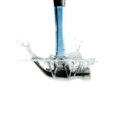
That loud bang you sometimes hear when a tap or washing machine valve shuts off quickly is water hammer.
It’s caused by fast-moving, high-pressure water slamming to a stop inside the pipe. Over time, this repeated shock loosens joints and fittings throughout the system – and it’s often one of the earliest audible signs that pressure is running higher than it should.
2. Faster wear on tapware & washers
Washers, O-rings and seals inside taps and mixers are only rated to handle so much pressure. Constant high water pressure pushes them past their intended working range, which is why homes with water pressure too high often have to deal with dripping taps far more often than they should.
3. Stress on pipe joints & fittings
Every single joint, elbow and connection in a plumbing system has a pressure rating – what it’s designed to handle, basically.
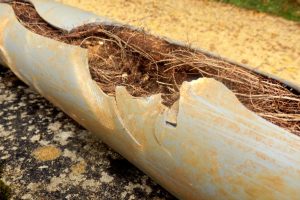
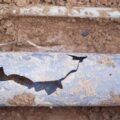
Sustained pressure above that threshold puts ongoing stress on these points, increasing the chance of a slow leak or, eventually, a burst pipe at the weakest joint in the system, often the one hidden behind a wall or under a slab where it’s hardest to spot early.
4. Shortened appliance lifespan & voided warranties
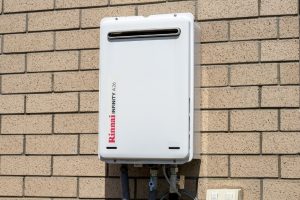
Hot water systems, washing machines and dishwashers are all built and warrantied around the standard pressure range expected in Australian homes. Running them under excess pressure long-term can shorten their working life significantly, and many manufacturers won’t honour a warranty claim if excessive home water pressure is found to be the cause.
5. Higher water bills than necessary
Higher pressure pushes more water through every tap, shower and appliance than you actually need for the same task, which adds up on your water bill without any real benefit to show for it.
Over a year, that difference is more noticeable than most households expect.
6. Toilet cisterns running or overflowing
The inlet valve inside a toilet cistern is another component rated for a specific pressure range. Excess pressure can cause it to wear out early, leading to a cistern that runs constantly or occasionally overflows, and often needs replacing far sooner than it otherwise would.
What can be done about it?
Testing residential water pressure at the property is the obvious starting point, and it only takes a licensed plumber a few minutes to do properly.
If it’s confirmed to be sitting above the 500 kPa limit, the usual fix is installing or replacing a pressure limiting valve, which brings the pressure down to a safe, consistent level before it reaches your internal plumbing.
An existing PLV that’s simply ageing or faulty may just need replacing rather than a full new installation, and it’s worth checking every few years even if you haven’t noticed any obvious symptoms yet.
Getting your pressure checked properly
Getting the pressure at your place checked and sorted properly matters wherever you are – whether you’re dealing with water pressure Brisbane wide or if it’s Sunshine Coast water pressure that’s crept up over time.
Here at Static Plumbing, we test and correct excess pressure across both regions, protecting the plumbing and appliances you’ve already invested.
Get in touch and we’ll check your pressure properly and sort out a lasting fix.