We know what you’re going through: You’ve turned the tap, waited long enough for it to warm up like it always does … and nothing happens. You wait even longer, maybe wiggle the handle, scratch your head – and it’s still cold.
So:
- Why is my hot water not working, we hear you say?
- And what do you do about it before resorting to a freezing shower?
Why does this happen in the first place
Unfortunately, we can’t just jump to a single explanation, because there’s plenty that may have gone wrong, we’re afraid. But the slightly better news is that the cause almost always ties back to which type of system you’ve got.
Households with hot water not working is actually one of the most common calls our team gets – pretty much every day of the week, in fact. And the cause almost always comes down to which type of system you have. Electric, heat pump and solar systems each fail in slightly different ways, so working through the right checks for your specific setup saves a lot of wasted guesswork rather than assuming the worst straight away.
Working through it, step by step
None of these checks need any tools beyond a bit of patience, so work through them in order before calling anyone.
1. Check the power or pilot light first
Before anything else, confirm the system’s actually got power or an active pilot flame, depending on what you have. It sounds obvious, but a tripped switch or an out pilot light accounts for a sizeable chunk of our ‘no hot water’ calls, and it’s the fastest thing to rule out before assuming anything more serious is going on.
2. Check your switchboard
A tripped circuit breaker or safety switch will cut power to an electric system entirely, leaving you with a tank that’s simply not heating anything.
So:
Head to the switchboard and check whether the relevant switch has dropped before assuming something more serious is wrong.
3. Why is my gas hot water not working?
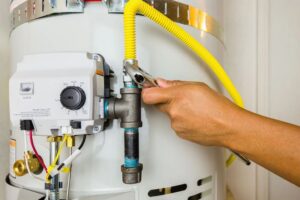
Gas hot water not working as it should usually traces back to one of a few common culprits:
- An extinguished pilot light
- A gas supply that’s been interrupted
- A faulty thermocouple that’s stopping gas from flowing through properly.
So:
Check whether other gas appliances in the house are working, since that quickly tells you whether the issue’s isolated to the hot water unit or affecting your gas supply more broadly.
4. Why is my solar hot water not working?
Solar hot water systems rely on a booster switch to top up heating on cloudy days, and if that’s been left off, or the weather’s been consistently overcast, you can end up with cold water despite everything otherwise working fine.
So:
- Check the booster switch is on
- Confirm it’s actually engaging before assuming the panels themselves have failed.
5. Why is my electric hot water heater not working?
Beyond the circuit breaker, electric hot water systems commonly fail at the heating element or the thermostat itself.
If you’re hearing odd noises from the tank, or the water’s lukewarm rather than fully cold, a failing element is often the cause – and it’s a straightforward, common hot water repair for a licensed plumber to sort out without needing to replace the whole unit.
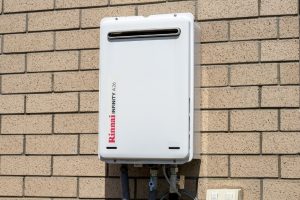
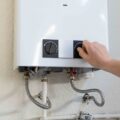
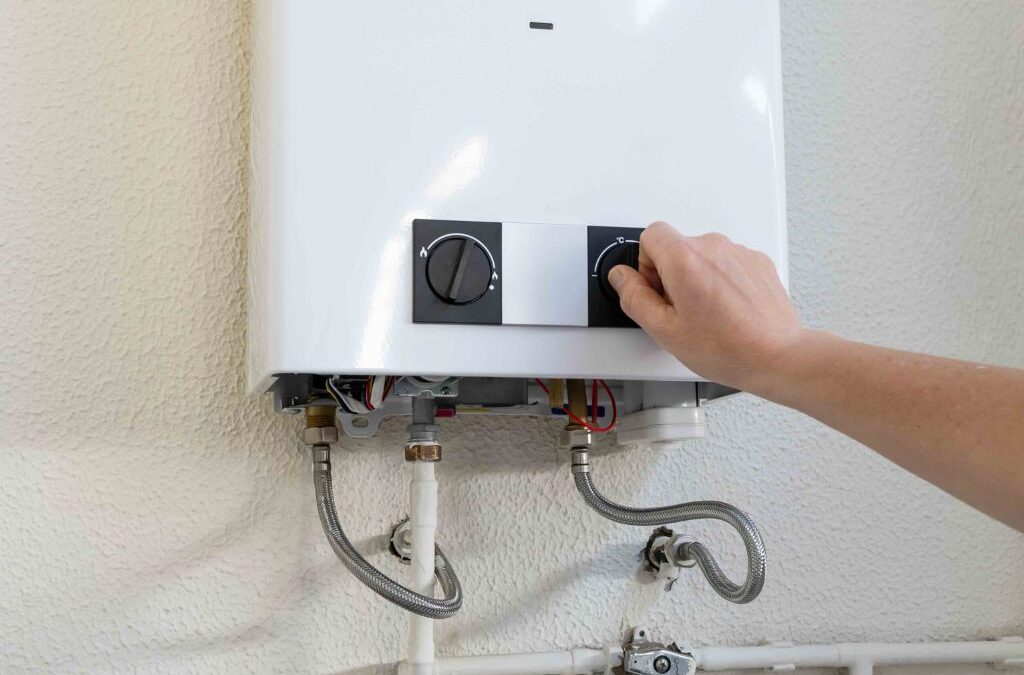
6. Why is my instant hot water system not working?
Instant – or continuous flow – systems fail a bit differently to a storage tank, since there’s no reserve of hot water sitting ready to go.
A common cause is simply demand outpacing the unit’s capacity, as running a shower and the dishwasher at once can be enough to trigger it to cut out or run lukewarm. Beyond that, check for an error code on the display if your unit has one, since these systems are digitally controlled and will often flag exactly what’s gone wrong.
7. Can you check your thermostat settings?
Many guides like this will casually tell you to check (and adjust) your thermostat settings – as though it’s just a dial that you can crank up from ‘cold’ to ‘lovely’ once again.
In reality, Australian regulations require your tank to store water at a minimum of 60°C, with a tempering valve bringing that down to a safe 50C by the time it reaches your tap. There’s no simple dial to nudge, and adjusting the tank thermostat yourself isn’t something to attempt, since it’s a compliance-regulated setting.
So:
If your water’s running cooler than it should despite the tank heating properly, a faulty tempering valve is the more likely culprit, and it’s a straightforward fix for a licensed plumber.
8. Consider whether you’re just out of hot water
If several people have showered back to back, or you’ve run a load or two of hot-water washing right before your shower, you may have simply outpaced your tank’s recovery time rather than dealing with an actual fault. It’s very, very common in larger households where several people are getting ready around the same time each morning.
So:
- Give it half an hour and try again before assuming something’s broken.
- Consider getting a better system sized for your place.
9. Check for leaks affecting pressure
A leak elsewhere in your system can drop pressure enough to affect how your hot water unit performs, sometimes without any obvious sign beyond weaker or inconsistent flow through your taps and shower.
Have you noticed:
- Damp patches?
- Higher water bills?
- Reduced pressure across multiple fixtures?
It’s worth investigating the possibility of a leak alongside the heating issue itself, since fixing one without the other rarely solves the full problem.
10. Consider sediment build-up or a worn anode rod
If you’ve worked through every check above and you’re still asking why my hot water is not working, or the system’s generally older and possibly nearing the end of its life, sediment build-up or a worn-out anode rod inside the tank is a common culprit worth having assessed.
Over years of use, sediment settles at the bottom of a storage tank, reducing efficiency and sometimes affecting heating altogether, particularly in areas with harder water. As for the anode rod, if it’s past its prime, it can leave the tank itself more vulnerable to corrosion. This isn’t something to tackle yourself, since it usually involves draining and properly inspecting the tank.
When it’s more than a quick fix
Still asking why is my hot water system not working and it’s affecting every single hot tap in the house? That points to a system-wide fault rather than a single fixture issue and it’s definitely worth getting a professional opinion and fix sooner rather than later – because a DIY solution is very unlikely at this point.
Getting it properly diagnosed
So, whether you’re dealing with a gas unit, an electric or heat pump system, or a solar setup with a stubborn booster switch, and you’re asking why is my hot water heater not working, our licensed plumbers can pinpoint exactly what’s up.
We carry common parts on the van, which usually means the fix happens in a single visit rather than dragging into a second callout.
Still not fixed?
If none of these checks have solved it, our team can diagnose and repair the issue properly, whatever type of system you have. Call the friendly team at Static Plumbing or book online today.