There’s nothing like a cold shower to send you searching for answers on hot water systems, right? Before you pick a replacement, it helps to know the various types of hot water systems on the market, because they all work (and cost) quite differently.
We all know that energy prices have crept up pretty savagely over the past few years too, so the system you choose now can make a real difference to your bills down the track. Here at Static Plumbing, we install and repair all of them across Brisbane and the Sunshine Coast, so here’s a simple rundown to help you choose with confidence.
The 4 basic types of hot water systems
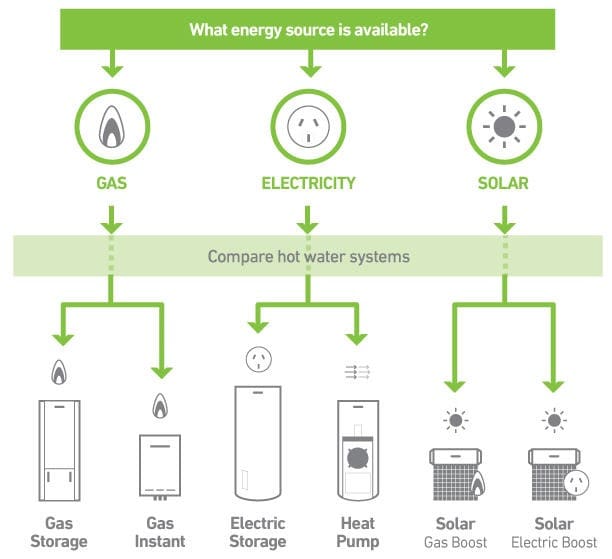 Across most homes, the types of domestic hot water systems fall into four main categories:
- Gas
- Electric
- Heat pump
- Solar.
Some types of hot water heating systems store a full tank of hot water ready to use, while others heat water on demand as you turn the tap on, with no tank at all. But there’s even more to it than that!
Here’s how each one works and where it tends to suit best:
Gas hot water systems
There are two types of gas hot water systems worth knowing:
- Storage
- Instantaneous (continuous flow).
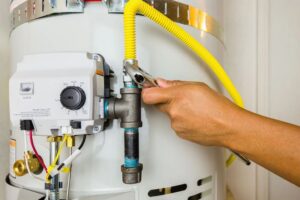
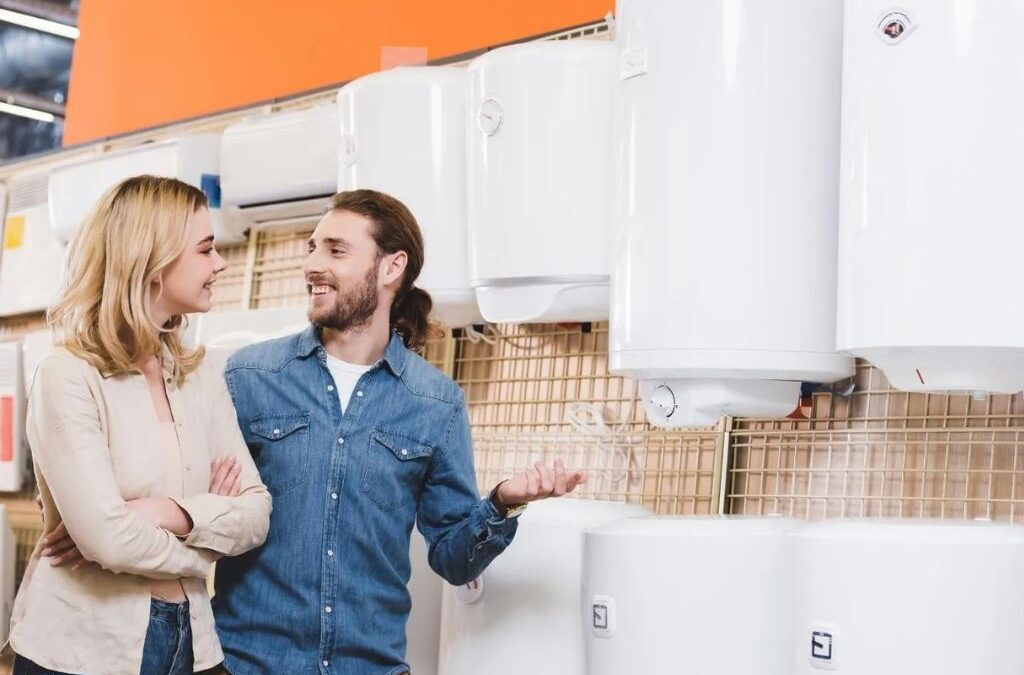
Storage units heat and hold water in an insulated tank, ready for when you need it, and they recover quickly between uses.
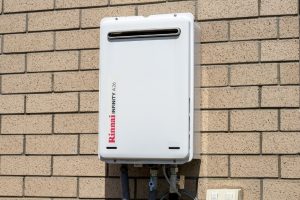
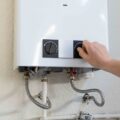
Instantaneous units skip the tank altogether, heating water as it passes through the unit, which saves space and keeps running costs down if you’re not filling multiple bathrooms at once.
Both options suit homes already connected to mains gas or bottled LPG.
Electric hot water systems
The same split applies to types of electric hot water systems, which also come in storage and instant models.
- Electric storage tanks are affordable to install and easy to maintain, though they can be slower to recover after heavy use and cost more to run than gas.
- Electric instant units are compact and efficient for smaller households, but they do draw a fair bit of power, so your switchboard needs enough capacity to handle them.
Heat pump systems
Heat pumps are a really progressive option, pulling warmth from the surrounding air like a fridge in reverse, using that warmth to heat your water – all while using a fraction of the energy a standard electric system needs.
They cost more upfront but can pay that back through lower running costs, especially in Queensland’s warmer climate, where the outside air rarely drops low enough to slow them down.
Solar hot water systems
Solar hot water systems use roof-mounted panels or tubes to capture the sun’s energy, with a gas or electric booster for cloudy days or overnight use. Sure, they’re the priciest option to install, but ongoing running costs are usually the lowest of the lot – and government rebates can take some of the sting out of the upfront cost.
Australia’s most popular hot water systems
So what are the types of hot water systems Australia households install most often?
The answer is pretty clear: gas and electric storage units.
But why’s that?:
- They’re familiar
- They’re easy to service
- They’re cheap to fit.
That said, heat pump and solar are becoming more common as energy prices climb and homeowners look for ways to cut power bills over the long run.
How long do hot water systems last?
Need a simple answer?:
Most systems last somewhere between 8 and 15 years, although it still varies a bit by type and how well it’s been maintained.
Storage tanks tend to show warning signs first:
- Rust-coloured water
- A rumbling noise from the tank
- Water pooling on the floor underneath.
Instant units and heat pumps generally go the distance if they’re serviced regularly, while solar panels can run for 20 years or more, even if the booster component needs replacing sooner.
How to choose the right system for your home
Naming the options is one thing, but picking the right types of hot water system for your household comes down to a few practical questions.
1. Work out your household size
A family of five needs more hot water on tap than a couple living alone, so the tank size or flow rate needs to match your daily use, not just the cheapest unit on the shelf.
2. Check what you’re connected to
Not every property has mains gas, and not every roof gets enough sun for solar – so your existing connections often narrow the field before you even start comparing brands.
3. Think about running costs, not just the price tag
Storage systems and electric instant units can cost more to run day-to-day than solar or heat pump options, particularly once energy prices rise further.
4. Weigh up install cost against long-term savings
Solar and heat pump systems cost more upfront but usually work out cheaper over the life of the system, so it pays to think beyond the initial quote.
5. Get a licensed plumber to assess your home
The right system depends on:
- Your roof
- Your existing pipework
- Your household habits
- Your budget.
That all means a proper assessment beats guesswork every single time.
6. Remember to ask about warranties and servicing
A longer warranty usually points to a more reliable unit, and knowing what regular servicing involves upfront can save you an unpleasant surprise a few years in.
Need to talk through your options?
Whatever option suits your home best, getting it installed properly matters just as much as the system itself. Because a poorly sized or badly installed unit will cost you in comfort and running costs no matter how good the system is on paper, making it well worth getting local advice before you commit.
Static Plumbing‘s fully licensed hot water plumbers service Brisbane and the Sunshine Coast, and we’re happy to:
- Talk you through your options
- Work out the right sizing for your household
- Handle the installation from start to finish.
Give us a call or book online today.