When most people think about what causes blocked drains, the usual suspects come to mind – hair, grease, food scraps, and the odd lost cotton bud. But as any experienced plumber will tell you, the real list of culprits goes much deeper than that – and deep into your drain, unfortunately.
Some of the most damaging drain blockages actually come from things you’d never expect – everyday household items we all use without a second thought.
So, before your next slow-draining sink turns into a flooded bathroom or an expensive callout for emergency plumbing, here are the less-known blocked drain causes you should be aware of:
1. ‘Flushable’ wipes (They’re really not)
Despite what the packaging says, no wipe is truly flushable. They simply don’t break down like toilet paper does – instead, they tangle together, catching other debris and creating dense, rope-like clogs.
TIP: And even a small number of wipes can quickly block pipes, especially older or narrower systems.
2. Coffee grounds
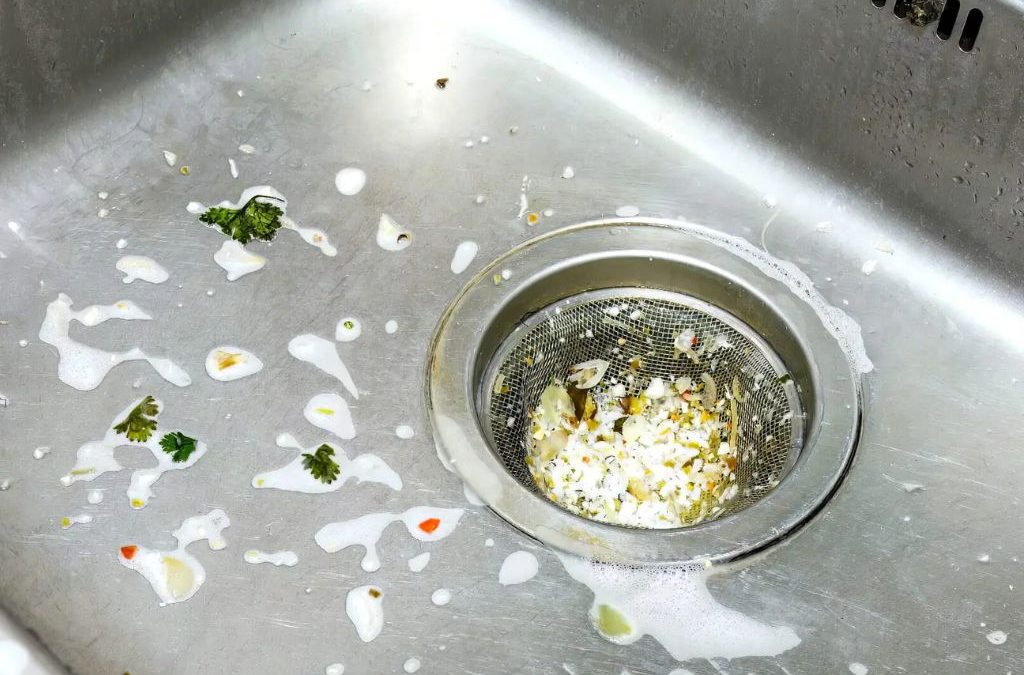
Coffee grounds feel harmless when you rinse them away – but they clump together inside the drain, sticking to grease and soap residue. Over time, they build up into a sludge that traps water and food particles.
TIP: Always dispose of coffee grounds in the bin or compost instead of washing them down the sink.
3. Cooking oils, fats & sauces
Warm oil seems liquid enough to pour, right? But it solidifies when it cools – coating your pipes like candle wax. This ‘fatberg’ effect is one of the most common yet preventable causes of blocked drains.
TIP: Wipe oily pans with paper towel before washing, and never tip leftover oil down the sink.
4. Soap scum & detergent sludge
Liquid soap and body wash might seem clean, but when mixed with hard water, they create a sticky film that narrows the pipe’s internal diameter. Add hair and lint, and you have the perfect storm for a slow drain.
TIP: Switching to liquid detergents with fewer fillers helps reduce this residue.
5. Food ‘That looks small enough’
Pasta, rice, eggshells – they all look harmless enough. But they actually swell and snag on bends in your plumbing. Fibrous foods like celery, pumpkin string, and potato peels also tangle easily inside the line.
TIP: Always scrape plates into the bin first, or better still, use the scraps for compost or backyard chickens – because even small leftovers can accumulate faster than you think.
6. Cotton pads, dental floss & hair ties
These are some of the sneakiest offenders. They’re lightweight enough to go unnoticed at first – but once inside, they weave together into net-like mats that trap other debris. Even tiny hair ties and floss strands can catch grease or soap scum, forming a strong blockage deep in the drain.
TIP: Add a small bin to the bathroom so you’re not tempted.
7. Toys, jewellery & small household items
Yes – plumbers really do find these:
- A single earring or bottle cap can create a partial blockage that worsens over time.
- Children’s toys are a frequent surprise in bathroom drains, too.
TIP: Sink strainers and drain covers are a cheap, effective way to prevent small objects from disappearing down the pipes.
8. Cleaning wipes & paper towels
Paper towels and disinfectant wipes are designed to hold their shape when wet – which makes them a nightmare for drains. They tangle with wipes, hair, and soap residue, creating a solid plug that can reach several metres into the line.
TIP: Always throw them in the bin instead.
9. Tree roots & pipe movement
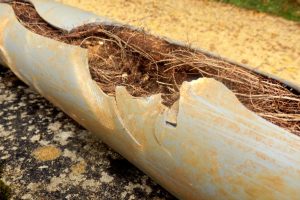
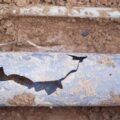
Not all blockages come from inside the house. Even if you’re careful, underground drains can clog when tree roots grow toward moisture and enter through tiny cracks in the pipes. This leads to recurring blockages that no amount of plunging will fix.
TIP: If you notice gurgling sounds, foul smells, or water pooling outside, it’s time for a professional inspection.
A quick reality check
Unfortunately, even the most careful homeowners can experience blockages – especially when plumbing systems are old or heavily used. Over time, residues build up layer by layer, slowly reducing water flow until the first signs of a clog appear.
When that happens:
- Avoid harsh chemical cleaners that can damage pipe linings.
- Instead, try natural options like boiling water and dish soap, or a plunger if it’s a surface blockage.
- For deeper issues, though, knowing how to fix clogged drain problems properly usually requires the drain cleaning tools and experience of a licensed plumber.
Why professional drain clearing is worth it
Plumbers use high-pressure water jetters, CCTV drain cameras and other sophisticated tools and techniques to find and clear the blockage at its source – without guesswork. It’s fast, safe for your pipes, and prevents the same problem from coming back.
Here at Static Plumbing, we don’t just remove the clog – we fix the cause, giving you long-term peace of mind.
The takeaway
You probably already knew to avoid pouring oil or flushing wipes – but those small, seemingly harmless habits like rinsing coffee grounds or tipping sauce down the sink can be just as damaging, we’re afraid.
ULTIMATE TIP: The fewer foreign materials you send down the drain, the fewer plumbing disasters you’ll have later!
And if the damage is already done? That’s what we’re here for.
Call the experts in blocked drains
For fast, affordable, and ultra-professional drain clearing services across Brisbane Northside, Moreton Bay and the Sunshine Coast, reach out to Static Plumbing today. We’ll identify the blockage, fix the cause – and help you prevent it from happening again. Give us a call or book online today.