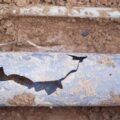
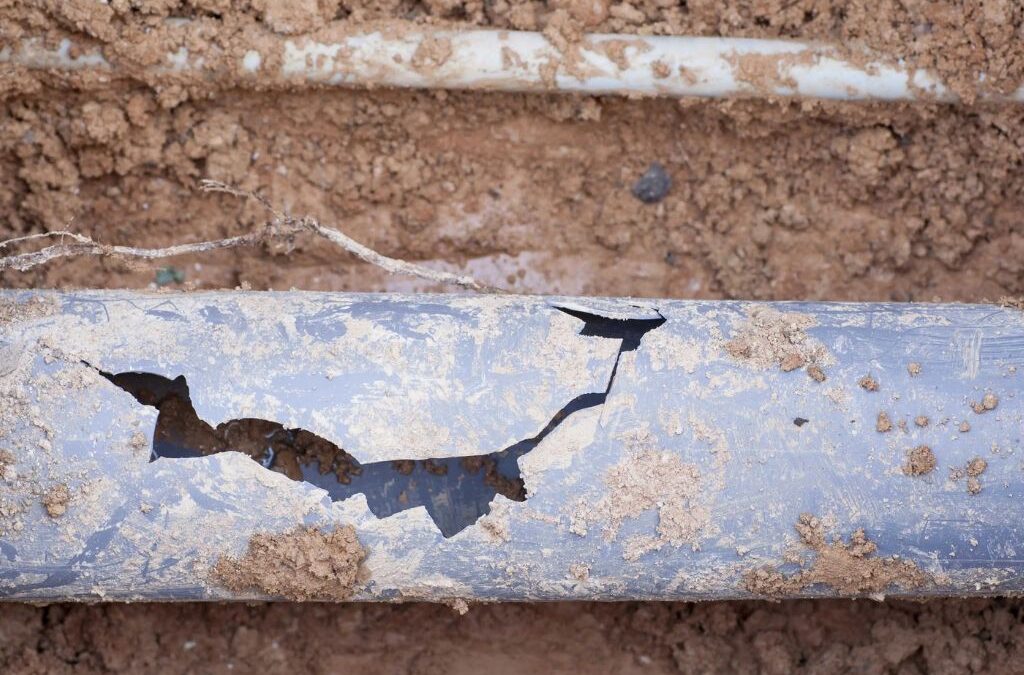
If you’re like most people, you hardly think about your sewer pipes at all – because what’s in them is gross, and you’ve got a million other things on your mind. But when something goes wrong with your sewer line, it tends to go really wrong – and by the time sewerage line cracks make themselves known at the surface, the problem underneath has usually been developing for quite a while.
But don’t stress too much, because there’s some good news here – knowing what causes them, what they risk, and what the warning signs look like puts you well ahead of the average homeowner who finds out the hard way.
We’ve put everything you need to know in one place … starting now!
What causes sewerage line cracks?
The thing about sewer pipes is that they’re underground, they’re out of sight … and they’re largely out of mind.
And that’s exactly why damage tends to accumulate without anyone noticing. But the causes are fairly predictable once you know what to look for.
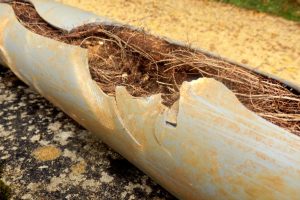
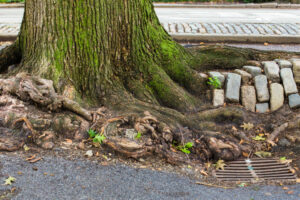
Tree root intrusion is the most common culprit across the Sunshine Coast and Brisbane. Roots are drawn to the moisture and nutrients inside sewer lines and find their way through even the smallest joint gap. Once inside, they grow – and the pipe eventually cracks or collapses around them.
There are other causes too, though:
Age & material deterioration: This plays a really significant role in older properties. Clay and cast iron pipes installed decades ago weren’t built to last forever. They become brittle over time, and what was once a solid pipe starts to crack under ordinary ground pressure.
Ground movement: It happens from soil settling, moisture changes, or nearby construction activity – and what happens is that the ground shifts around the pipes that were laid in a fixed position. That movement stresses joints and pipe sections until something gives.
Poor installation: We see this in a surprising number of cases. Pipes laid without correct bedding material, at incorrect fall angles, or with inadequate joint sealing develop problems earlier than they should – sometimes within years of installation.
Corrosion: This affects older metal pipes and can also occur in concrete sewer lines where hydrogen sulphide gas produces sulphuric acid that eats through the pipe wall from the inside.
7 Risks of cracked sewer lines you really don’t want to ignore
Not all plumbing problems are created equal. What we mean is that a cracked sewer line isn’t like a dripping tap – you can’t just put a bucket under it and deal with it next weekend!
Here’s why.
1. Raw sewage contaminating your soil
When a sewer pipe cracks, what’s inside it has to go somewhere. Raw sewage leaching into the soil around your home creates contamination that isn’t visible from the surface but is very much present underneath it.
Vegetables grown in affected soil, kids playing in the yard, pets – all of these interact with ground that may be harbouring pathogens from sewage contamination. It’s not dramatic to say this is a genuine health risk.
2. Groundwater contamination
Beyond the immediate soil, sewage from sewer line cracks can reach groundwater. In areas close to waterways – and the Sunshine Coast has plenty of them – this carries environmental and public health implications that go well beyond the individual property.
3. Structural damage to your home
Water and sewage escaping from a cracked line saturates the surrounding soil. Over time, that affects the ground your home’s foundations sit on – causing:
- Subsidence
- Uneven settling
- And in serious cases, structural movement that requires engineering intervention.
This is the outcome that turns a pipe repair into a very expensive problem.
4. Pest & vermin attraction
Cracked sewer lines are an open invitation. To what, we hear you ask?
Rats!
Vermin are real experts in finding and using damaged sewer infrastructure as access points – both into the pipe network and potentially into the home itself.
But cockroaches aren’t far behind. If you’ve noticed an uptick in pest activity without an obvious explanation, a cracked sewer line is worth investigating.
5. Toxic gas entering the home
Intact sewer pipes are sealed, which keeps sewer gases – including hydrogen sulphide and methane – contained within the system.
A cracked pipe allows these gases to escape into the surrounding soil and, in some configurations, into the home through floor voids and wall cavities.
Did you know:
- Hydrogen sulphide smells like rotten eggs at low concentrations and is toxic at higher ones?
- Methane is flammable?
What’s for sure is that neither of them belongs inside a house – especially yours!
6. Chronic blocked drains
A cracked or partially collapsed pipe doesn’t just leak – it also disrupts flow.
Debris, root mass, and soil ingress accumulate at the damaged section and cause recurring blockages that keep coming back no matter how many times the drain is cleared.
If you’ve had the same drain cleared multiple times in a year, sewer pipe repair may be what’s actually needed, not another clearing job.
7. Escalating repair costs the longer it’s left
Think of it like this:
- A crack that’s caught early – when the pipe is damaged but structurally present – is a sewer line repair or pipe relining job.
- A crack that’s left until the pipe collapses or the surrounding soil is significantly compromised is a sewer line replacement job.
And the second one will potentially involve excavation, landscaping restoration, and a bill that reflects all of the above. In other words, time does not improve a cracked sewer line!
How do you know if you have a problem?
The frustrating reality is that sewerage line cracks often don’t produce obvious symptoms until the damage is well established. That said, there are things worth paying attention to:
Are you noticing:
- Gurgling sounds from drains or toilets?
- Slow drains across multiple fixtures simultaneously?
- Sewage odours inside or outside the property?
- Wet patches or unusually green/lush patches of grass in the yard?
- Recurring drain blockages that keep coming back?
- Unexplained cracking in concrete paths or driveways near drain lines?
If so, any one of these is a reason to get a CCTV drain camera inspection done. It’s non-invasive, fast, and gives a definitive picture of what’s happening inside the line – which is the only reliable way to diagnose a sewer line problem before it reaches the surface.
What Static Plumbing can do about it
Static Plumbing carries CCTV drain inspection equipment and handles sewer line repair all across the Sunshine Coast and Brisbane Northside. Where a crack or damage is identified, we assess whether pipe relining – a no-dig repair that installs a new lining inside the existing pipe – or sewer line replacement is the right solution for the situation, and we give you a clear, upfront quote before anything proceeds.
Call our friendly team or book online today.