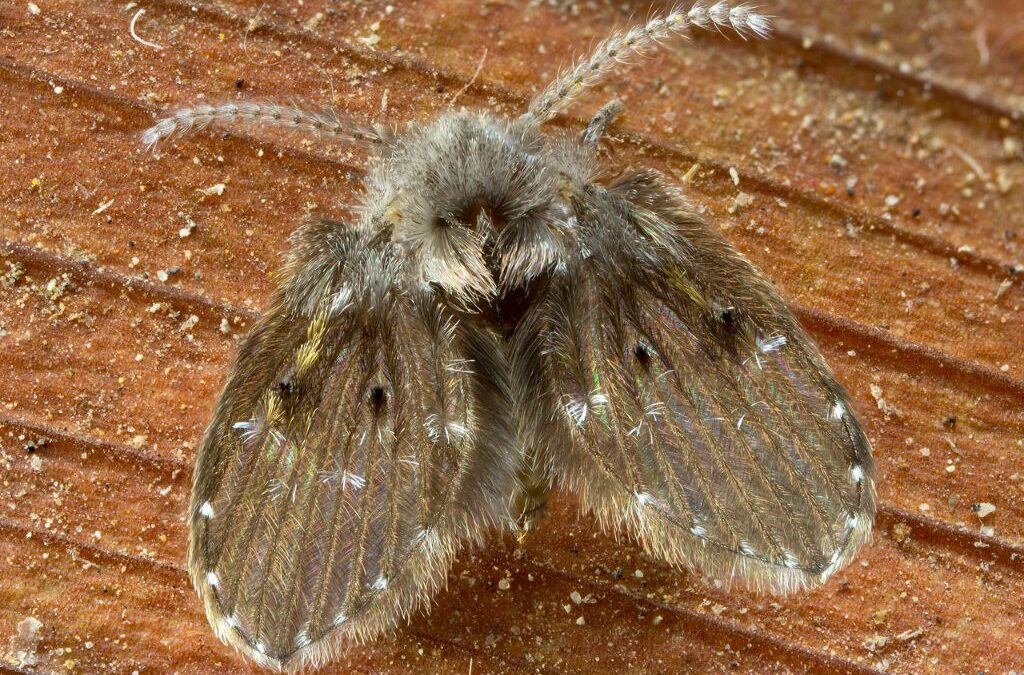
Have you been noticing tiny little irritating moths hovering around your sink like they’re the ones paying rent? Congratulations – you’ve got drain flies. Knowing how to get rid of drain flies is therefore the most useful information you might learn today! You already know they’re small, fuzzy, and buzzing around your head in that annoying slow-flap way that makes them impossible to catch. But more importantly, they’re a sign that something inside your drain needs attention – and that’s worth taking very seriously.
Wait, are these actually drain flies?
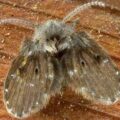
Drain flies – also called moth flies or sewer gnats – are about 2mm long with rounded, hairy wings that give them a moth-like appearance. They don’t bite, they don’t sting, and they’re not interested in your fruit bowl.
Fruit bowl? Yep – that’s how you tell them apart from fruit flies in drain situations. Fruit flies are sleeker, faster, and very much after your bananas. Drain flies, on the other hand, are slower, fuzzier, and very much living in the slime inside your pipes.
You’ll usually find them near:
- Bathroom sinks
- Shower drains
- Kitchen drains.
They breed in the organic buildup – hair, grease, soap scum, food residue – that coats the inside of pipes. One or two is a curiosity. 10 or 20 (or 100!) means the colony is very well established and something wet and stagnant is giving them everything they need.
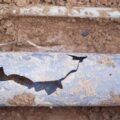
Left alone, drain flies don’t cause direct harm to people, but a heavy infestation can indicate slow drains, partial blockages, or even a crack in a sewer pipe that’s allowing sewage to pool somewhere it shouldn’t. That’s when ‘mildly gross’ becomes a genuine hygiene problem.
How to get rid of drain flies: 7 Methods, ranked by effort
These are the plumber-recommended methods that actually work – starting with what you can do right now, and ending where the DIY options run out.
1. Confirm the drain is the source
Before doing anything else, grab a piece of tape and place it sticky-side-down over the suspect drain overnight. If you peel it back in the morning and there are flies stuck to it – or you can see movement underneath – you’ve found your breeding ground.
This step matters because treating the wrong drain wastes time and leaves the actual problem untouched.
2. Remove the drain cover and clean it thoroughly
The drain cover and the first few centimetres below it are often where the bulk of organic buildup sits:
- Pull the cover off
- Scrub it with a stiff brush, hot water, and dish soap
- Use a drain brush or pipe cleaner to scrape the inside of the drain opening.
The goal is removing the biofilm – that dark, slimy coating – which is both food and shelter for drain fly larvae.
3. Pour boiling water down the drain
Simple, free, and surprisingly effective as a first strike. Boil a full kettle and pour it slowly down the drain in two or three separate pours a few minutes apart.
It won’t kill every egg or larva deeper in the pipe, but it disrupts the surface-level buildup and can knock back a minor infestation quickly. For anyone asking how to get rid of drain flies in shower drains specifically, this is always the first thing to try.
4. Use a baking soda, salt & vinegar flush
A simple recipe:
- Pour half a cup of baking soda into the drain
- Follow-up with half a cup of salt
- Chase it with a cup of white vinegar
- Let it fizz and sit for at least an hour – overnight is better
- Flush with boiling water.
The combination breaks down organic matter and makes the drain environment less hospitable. It’s a solid DIY option that most households can pull together without a trip to the hardware store.
5. Apply an enzyme drain cleaner
This is where you move from improvised fixes to something purpose-built.
An enzyme drain cleaner uses biological enzymes to digest the organic material lining your pipes – the actual food source that sustains the colony. Unlike bleach (which many people reach for first and which mostly just irritates the flies), enzyme cleaners work on the root of the problem. You’ll find them at most hardware stores.
- Apply as directed
- That’s usually before bed so it has hours of contact time
- Repeat every few days for a couple of weeks.
Are you here to learn how to get rid of drain flies in bathroom spaces specifically? This one really is the most effective DIY step available.
6. Try a DIY drain fly trap
While you’re treating the drain, a simple trap helps reduce the adult population.
- Fill a small bowl with apple cider vinegar
- Add a drop of dish soap
- Cover it with cling wrap
- Poke a few small holes in the top.
The flies are drawn to the vinegar, go through the holes, and can’t get back out. It won’t solve the source problem, but it cuts down numbers while your drain treatments do their work. Anyone researching how to get rid of drain flies in kitchen areas will find this particularly useful near the sink where food odours add extra attraction.
7. Repeat & be consistent
One treatment rarely does it. Drain fly eggs are resilient, and if any organic buildup remains in the pipe, the cycle starts again.
So commit to daily flushing and repeat enzyme treatments for two to three weeks. Most homeowners who know how to get rid of drain flies Australia wide will tell you consistency is the part people skip – and the reason the flies come back.
When DIY isn’t enough – Time to call a plumber
If you’ve worked through every method above and the flies keep coming back, the problem almost certainly isn’t the drain you can see – it’s something further down the line.
A plumber can use CCTV drain cameras to inspect your pipes for the underlying cause:
- A partial blockage trapping stagnant water
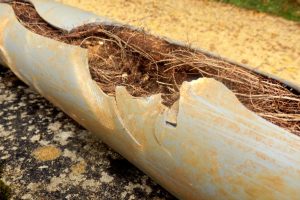
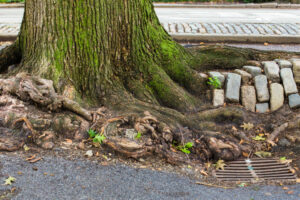
- A cracked pipe allowing sewage to pool
- A slow drain that’s been quietly building up for longer than you’d like to think about.
For how to get rid of drain flies Sunshine Coast and Brisbane homeowners just like you are complaining about, the answer is often a professional drain inspection and high-pressure jet clean – particularly in older homes where pipes accumulate years of buildup that no amount of enzyme cleaner will shift. Knowing how to get rid of drain flies permanently almost always comes down to fixing what’s feeding them – and that sometimes means getting a camera underground.
Static Plumbing services Brisbane and the Sunshine Coast with same-day availability, CCTV drain inspections, and high-pressure water jetting. If the flies won’t quit, give the team a call – they’ve seen far worse and fixed it faster than you’d expect.